


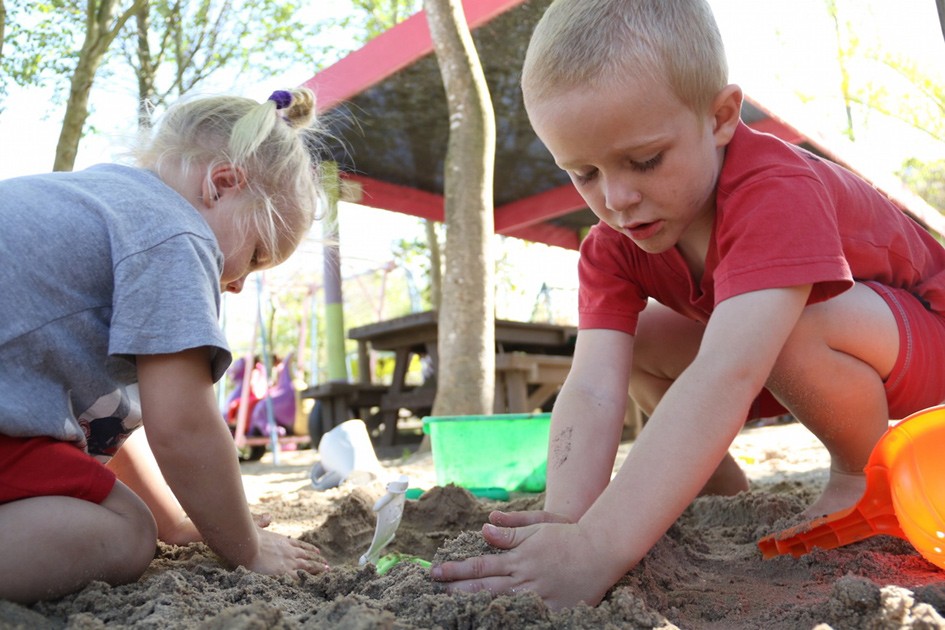
A common mistake we make is the idea that play is secondary to ‘work’, but as Maria Montessori, the Italian physician and educator said, “Play is the work of the child.” There is much pressure on children from a young age to perform and achieve to a set of standards laid out for them, that we often forget that some, if not most, of their fundamental learning comes about through play. Play affects physical, cognitive, social and emotional development, and as such should be priority when structuring a child’s day.
LEARNING THROUGH THE ENVIRONMENT
When children play, they learn about their environment, mastering an understanding of mathematic and scientific principles. Measuring, sorting, pouring and stacking objects are all building blocks for maths and science skills that will be developed further as they grow through life. Jean Piaget, a well-known developmental psychologist and philosopher esteemed for his studies with children, believed that children are agents in their own learning. It is important therefore to allow children to make their discoveries with little interference, but rather gentle guidance.
Playing outdoors is vital as all senses are stimulated in our natural environment, provoking thoughts and questions about the world we live in. As a child skips across a sun-scorched path, he’ll wonder about his shadow skipping with him, and when he espies a tadpole sprouting legs, questions about lifecycles will arise. These marvels and their value cannot be replicated with the technology that is rapidly replacing natural play.
BUILDING HEALTHY BODIES & MINDS
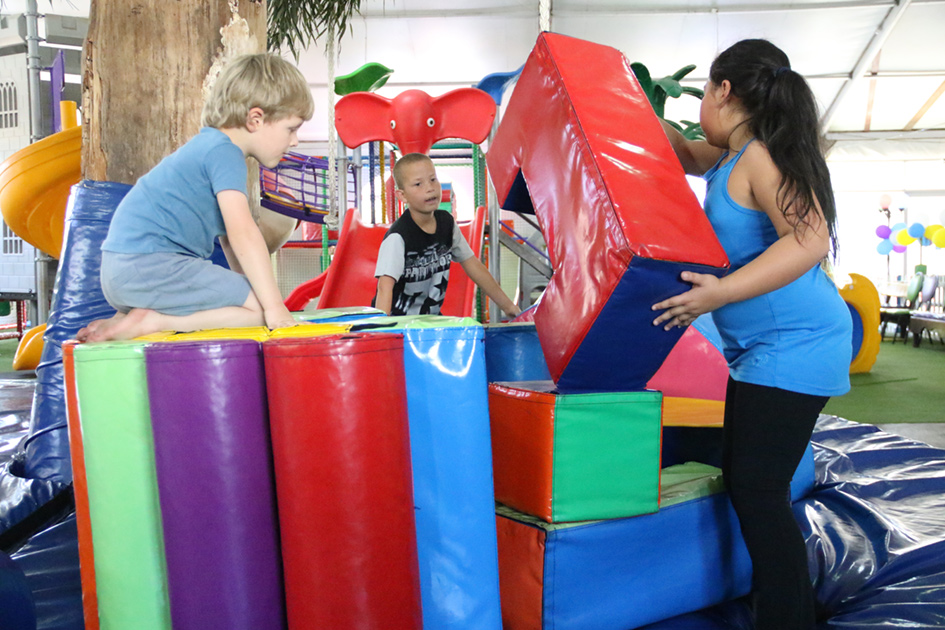
While it may seem like your child is just monkeying around on the jungle gym, a lot more is at play. In an age where obesity in children is on the rise, and ADHD has become a household term, physical playtime is vital in building healthier bodies and minds. It is said that physical activity increases physical health and decreases mental stress and anxiety.
While your toddler wobbles as he swings his leg over the little plastic motorbike he is working on his co-ordination and honing his gross motor skills; and when your daughter reaches from one bar to the next on the monkey-bars, she is developing her upper body strength. It may just seem like play, but it is play with a purpose, even if the purpose seems unintentional.
DEVELOPING PROBLEM-SOLVING SKILLS & CREATIVE THINKING
As children discover the world through their environment, they develop their abilities to think creatively and problem solve. Imaginative play allows a child to experiment and discover a realm of possibilities within their own abilities.
Solitary play allows a child an introspective opportunity to form their own conclusions about the task they are tackling or the problem they are solving. Allow the child to go through this process, but be available when they are ready to ask for help, before frustration sets in.
ACQUIRING SOCIAL SKILLS
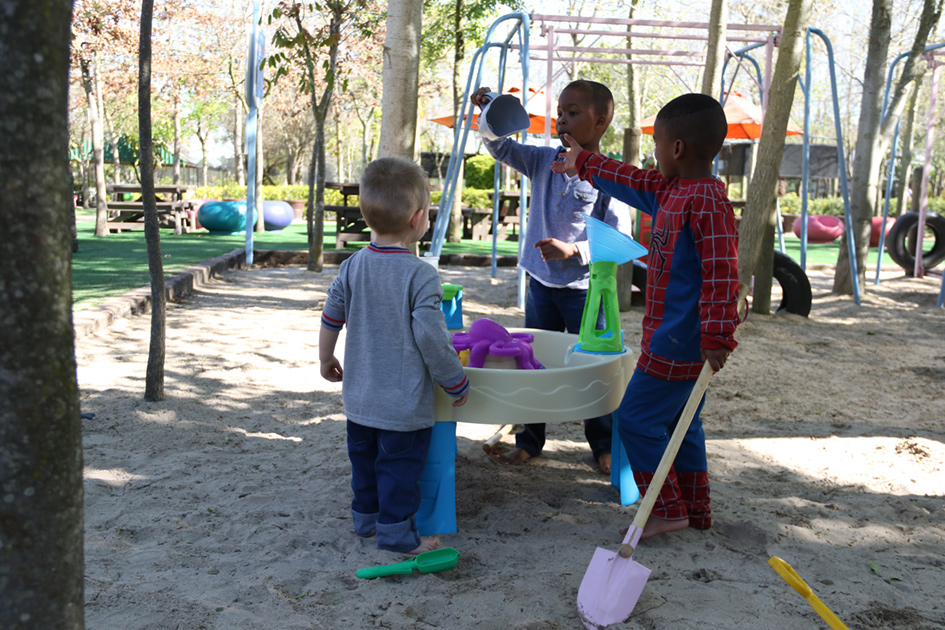
Playtime with peers is significant in order to gain the social skills necessary for life, such as resolving conflict, sharing, negotiating, compromising, and self-control. Children working together need to learn to cooperate with each other in order to achieve the goal they are working towards. Children should also have the opportunity of interacting with peers who are younger and older than they are. In this setting, the younger children learn from their older peers, and the older children learn through teaching and helping their younger peers.
PROMOTING RELATIONSHIPS AND EMOTIONAL HEALTH
Observing children at play can be very telling about their emotional well-being and the way they relate to the people in their lives. Role-playing games are a big part of childhood development, and we can often see reality reflected through play. One minute a child may put her favourite doll in the ‘naughty chair’ and the next this same doll may be the fireman rescuing teddy from a building. Sometimes it is just imaginative play, but at other times, there may be some indication of how the child is coping with recent events. Play helps children make sense of their world, and if we can be invited into that world, with a spirit of playfulness, we tap into the gift of relationship that can bond parents and children in understanding and trust.
The Children’s Charter of South Africa states that all children have the right to play and to free and adequate sports and recreational facilities so that children can be children. This is probably the most relevant answer to the point of play… so that “children can be children” and because play makes children, happy.
Resources:
Nurture & Thrive Blog
Education.com


