



We all want to know that our children are capable and confident. We like to be assured that when we aren’t around, while they are at school or visiting friends, that they are able to feel relaxed without our presence or involvement in their situations. There are a number of ways to instill confidence in our children:

1. Encourage Decisions
Teach your child about good choices and then encourage them to make their own decisions. When it comes to food, my son knows which are ‘good soldiers’ and ‘bad soldiers’ – those foods that promote healthy bodies, and those that aren’t good for little bodies, but it isn’t always easy for a child to choose an apple over a cupcake, or water over a sugar-laden drink. For younger children offer a selection of two or three healthy snacks, but let them choose which they want. The same applies to activities or play – give them options and then encourage them to make the decision. There are some things that parents need to make the decisions on that are non-negotiable, but in other areas, encouraging decision-making goes a long way to creating confident children and later on, decisive adults.
2. Promote Independent Play
Younger children may want your undivided attention for every activity they are busy with, or want you holding their hand as they make their way around the playground. Build your child’s confidence by encouraging independent play time. For small children who are still very attached, start with a few minutes at a time, for example, provide an activity that will keep your child stimulated and engaged while you do something for yourself, like prepare yourself a well-deserved cup of tea or sneak in some reading. In the playground, if they are able, encourage them to attempt the jumping castle or other safe play area while you sit nearby and keep an eye on them, instead of being alongside them on every activity. A mindfully prepared play area ensures that your child needs as little interference or help from you as possible.
“The first aim of the prepared environment is, as far as it is possible, to render the growing child independent of the adult.” Maria Montessori
3.Don’t Rescue Your Child
Removing obstacles from your child’s life does not prepare them for the world they are growing into. Using your influence to get them into the choir, doing their homework for them, or getting them to the front of the queue at the merry-go-round does not serve to build confidence in their own abilities. Offer guidance and assistance, but let them solve their own problems and climb their own hurdles. If you see your child struggling to climb back down the jungle gym, stand by and encourage them, offering suggestions, but not picking them up and placing them on the ground. Don’t cover up your own mistakes – let your child see you fail, let them see you overcome your own obstacles.
“It is not what you do for your children, but what you have taught them to do for themselves that will make them successful human beings.” – Ann Landers
4. Social Interaction
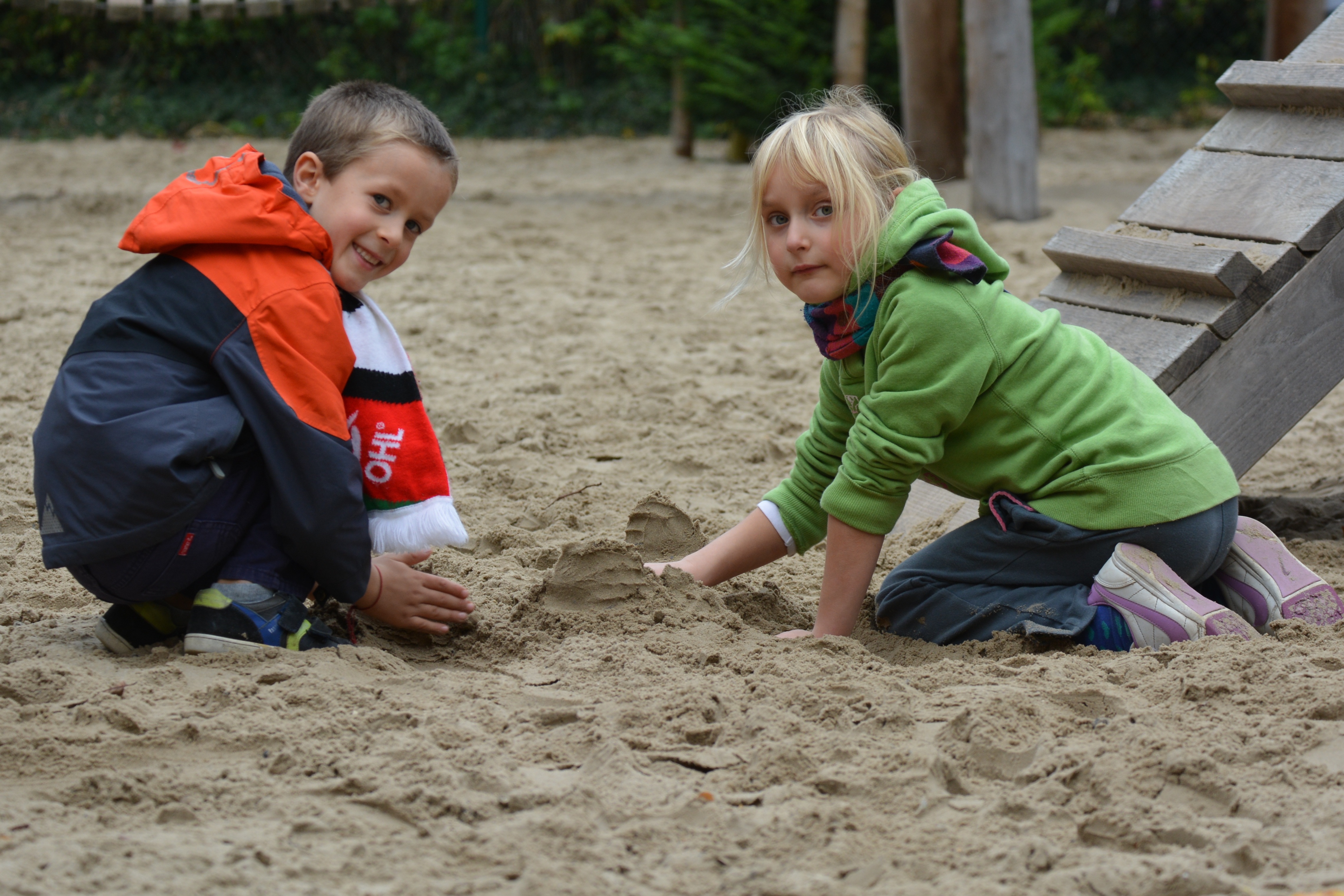
My son loves being around friends, and what a great feeling when his friends take an interest in what he is doing, or ask to be included. Don’t we all know how great it feels for our peers to want to spend time with us or take an interest in our lives? It’s the same for our children. For younger children, the more they start interacting with their friends, the less dependent they become on their parents for entertainment, building on their sense of independence and confidence.
5.Help Others
What better way for a child to gain confidence in their abilities by being able to help someone else? For older children, encourage them to help their younger siblings build a puzzle or read a story. For younger children, let them hand out balloons or party packs at their party. This can also be extended to community service like taking food to pet shelters or toys to a children’s home.

6. Celebrate Achievements
Praise your child’s accomplishments, but be sincere. Saying ‘well done’ after every action may lose its significance for a child, so try and and keep your compliments meaningful and specific to their current achievement. Also know when praise is due. If you have been trying to get your child to pick up after themselves or to wash their plate after eating, praising them for doing this is not as appropriate as a simple ‘thank you for helping.’
"Behind every young child who believes in himself is a parent who believed first." Matthew Jacobson
7. Assign Responsibilities
Giving your child something to be responsible for gives them a sense of importance in the functioning of the family. Whether it be feeding their dog, watering their own patch of garden or setting the table, confidence is bolstered by having a duty to perform that supports the family unit. My wheelchair-bound son used to beam when I sat him at the dinner table and gave him our placemats and cutlery to set our two spaces while I finished preparing dinner. It was a small, but important, responsibility and part of our daily routine.
8. Don’t Compare
If your child has a sibling, don’t compare their milestones achievements or abilities. Some children develop faster in one area, where others excel in another area. Just because the older brother learnt to read early or was climbing a jungle gym by a certain age, isn’t cause for alarm if the younger child isn’t doing these things yet. Comparing your children with their siblings, or even friends, can damage their confidence in their abilities rather that promote them to try new things.
9. Be a Good Role Model
Let your children see you making decisions confidently. Let them see you trying new things – failing, persevering and achieving. Let them see you socializing and building friendships. Let them see you tackling your responsibilities, even when you don’t feel like cooking or doing the washing. Also important is to let them see you admit when you are wrong and take the necessary steps to apologise or right your mistake.
“One of the most important things we adults can do for young children is to model the kind of person we would like them to be.” Carol B. Hillman
Resources:


