


When my son was a little tot I was encouraged to enroll him in a moms and babes workshop. In our first session I was surprised, to say the least, when after some indoor sessions we went outside to an area prepared with plastic sandpits – except they were not filled with sand, but bowls of jelly, chocolate pudding and the like. We then set our toddlers loose and let the mess ensue. Some may call it messy play, others call it sensory exploration – but however you look at it, there is an extensive list of benefits to allowing your children to get down and dirty during playtime.
1. Fine Motor Skills Co-ordination
Pouring, threading, scooping and painting – all of these actions performed during messy play hone a child’s fine motor skills as they manipulate mud, paint, bubbles or sand. Make homemade playdough and provide plastic cutters, rolling pins and shape cutters to get little hands and fingers exercising.
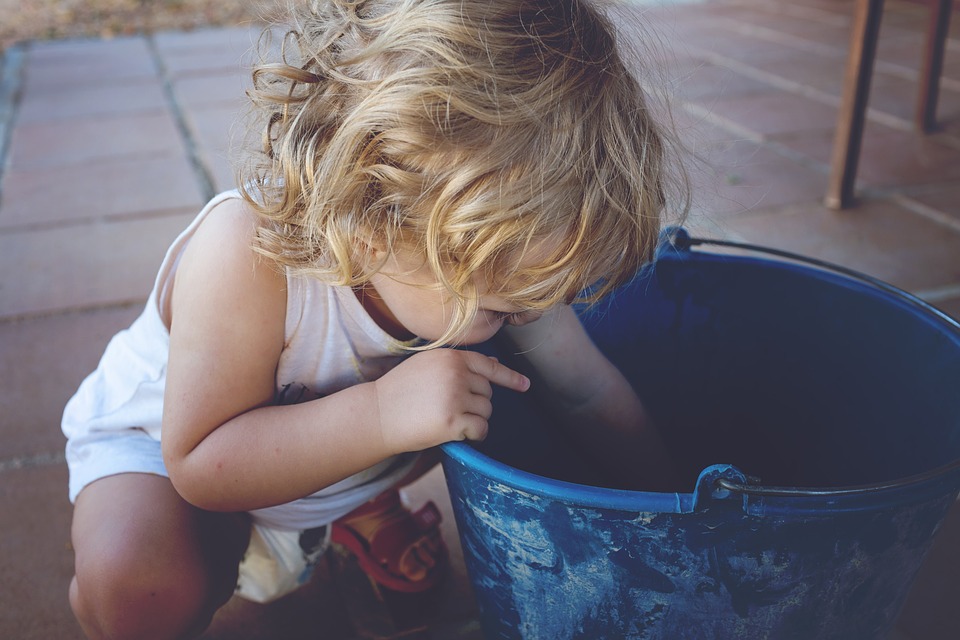
2. Communication & Vocabulary
Playing with different materials gives children the opportunity to extend their vocabulary while communicating how textures feel by using words like soft and hard, cold and warm, smooth and rough, bright and dark, to relate their experiences . Be present with your child as they play – ask them how the mud feels between their toes, encourage them to listen to the difference between pouring water onto sand and leaves crackling under their feet, and introduce them to new words as they question the world around them.
3. Problem Solving and Math Skills
Messy doesn’t necessarily mean mud and water. Messy can be an overturned tub of beads that your child can sort, count, measure and compare. Providing various sized containers, spoons, or even tweezers builds your child’s problem-solving and math skills as they spoon, pour, pick up and fill containers, working out the best method as they go.

4. Play without Pressure
Messy play doesn’t have a measurable goal – there is no pressure to produce a result such as a completed puzzle, or the tallest building of blocks. Children are free to explore and create without set expectations of the outcome. As such, in group play every child is equal in their ability to make a mess. There is no right way to play, even for children with limited abilities, so social inclusion is encouraged.
5. All Senses are Stimulated
Playing with a variety of substances stimulates your child’s senses of touch, taste, sight, smell and sound. As they explore they learn how sand feels different to playdough or how mud smells different to chocolate pudding. You can provide bottles with different scents, like vanilla or lavender, for your children to learn to differentiate smells, or a variety of pots, pans and spoons for them to investigate sounds.
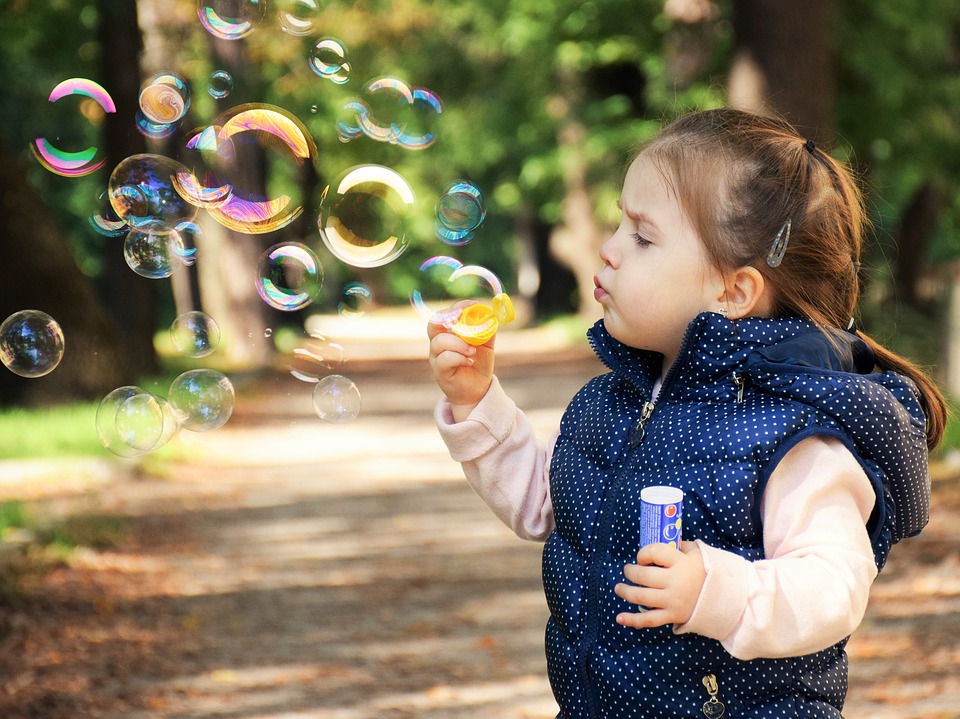
And of course, probably the best benefit – for moms who cringe at the thought of encouraging your child to be messy at least – is the lesson in cleaning up after themselves and packing away. At the end of the game, the beads must go back in the box, water spills dried up and sand swept away. All more lessons that teach essential skills and make for considerate, self-aware and independent children.
Resources:


