


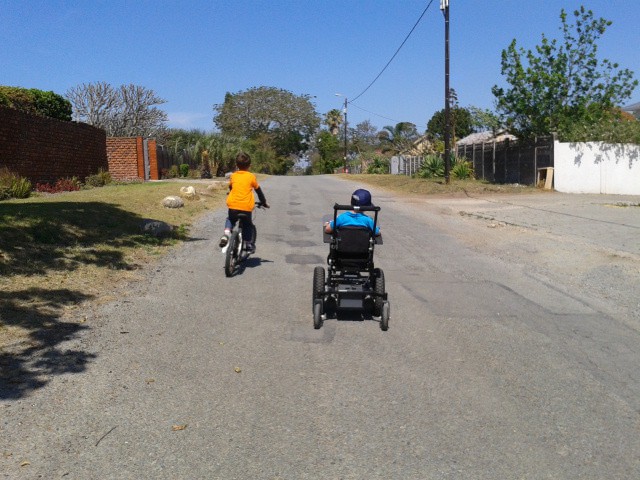
Whether it is at school, a shopping mall or the playground, sooner or later your child will meet someone with a disability. As such, it is important that you teach positive ways to interact. Not all disabilities look the same – for some it may be more obvious, like a physical disability where a wheelchair is used, for others it may not be as apparent initially, like learning difficulties or autism. How our children treat others is often a reflection of the way their parents do, so it’s important to demonstrate kindness and sincerity.
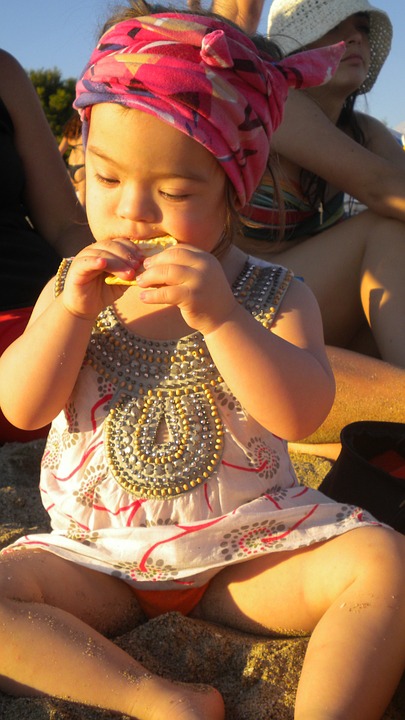
It’s OK to Ask Questions
There is a common sequence when meeting a child with a disability for the first time – first the curious glances, sometimes stares, and then the imminent question: “Why can’t he walk?” This first point of contact is crucial in teaching your child about disability. Either you can be the parent who gets embarrassed and moves your child along, leaving her questions unanswered and a sense that children with disabilities are to be avoided; or you can be the parent who helps bridge the divide and encourage the normal interaction between two children. A straight forward answer, such as “Perhaps he has a problem with his muscles, or nerves, that makes it difficult to walk and talk,” is sufficient and lead by example by greeting or introducing yourselves to the other family. Be conscious that this family has probably been asked the same questions countless times, but will most likely be happy to share where they are met with a genuine connection as opposed to idle curiosity.
"I choose not to put 'dis' in my ability" - Robert M. Hensel
Everyone is Different, But We're Also the Same
Teaching your child that everyone is different, whether it is the colour of our eyes, if we are tall or short, whether we enjoy biology or maths, or whether our abilities vary, we are all unique with our own characteristics and strengths sets the groundwork for an understanding of this new noticeable difference. If children are taught this from young, it encourages inclusion and acceptance. On the other end of this, even though their new peer has different abilities, let your child know that he is still a child, just like her. He probably loves to go to the playpark, enjoys ice-cream, and hearing stories - just like any other child.
"It's not our disabilities, it's our abilities that count." - Chris Burke

Dis-Ability is not No Ability
Try and discourage pity, it is the last thing a child with a disability wants from their peers. Explain that while this child may not be able to walk, there are many other things he can do. He may be able to do many of the same things as your own child, it may just take a little longer, or he may do them a bit differently. Encourage your child to pay attention to her peer’s interests and share playtime – she may be surprised to learn just how able her friend really is. You will be surprised at how innovative children can be when finding ways to play together and overcome limitations.
"The only disability in life is a bad attitude" - Scott Hamilton
Ask before you touch assistive devices
There is always great curiosity when a child sees another zooming around in a motorized wheelchair, or communicating with a speech app on a tablet. It’s not acceptable to attempt to touch or try and use the equipment without permission from the other child or parent. It takes time for a disabled child to learn to maneuver a motorized wheelchair, and most times the joystick is extremely sensitive, so accidents can happen very quickly when a curious child grabs hold of and wiggles it. An immobile child may feel very vulnerable in these situations and it can be terrifying when another child attempts to control their chair. Teach your child that for a disabled child, their wheelchair is their mobility, and therefore serves the same purpose as their own legs, and therefore deserve the same respect.

No Speech Doesn’t Mean No Understanding
Just because a child struggles to form words, doesn’t mean that they aren’t fully aware or don’t understand. So often people will speak to the parent and not the child, which can be frustrating for a fully cognitive child. Befriending a child with limited speech is an ideal opportunity to learn how to overcome barriers to understanding by finding alternative ways of communication. Picture boards, hand gestures and eye signals are all forms of communication and children are more adept at understanding each other’s non-verbal cues than we realise.
Be Respectful in Your Choice of Descriptive Words
It is imperative that your child learns that a disability does not define the person. Try not to use the word “normal” for people without disabilities – this causes a divide, creating the idea that someone with a disability is less of a person than others. Make it clear that it is never OK to tease or mock anybody, whatever their ability. There are also words used to describe disabilities that are either not socially acceptable or are offensive, so if you hear your child using such words, explain that it isn’t a nice way to talk about someone. Some families are exceptionally sensitive to the choice of words.
As parents, we should aim to raise children who treat everyone they meet with respect and consideration, who see beyond differences and embrace diversity. We need to change perceptions of ability and see difference as good, something that colours the world, where each person has something unique to offer. If we must choose a word, let’s choose differently-abled, because don’t we all have different abilities?


