


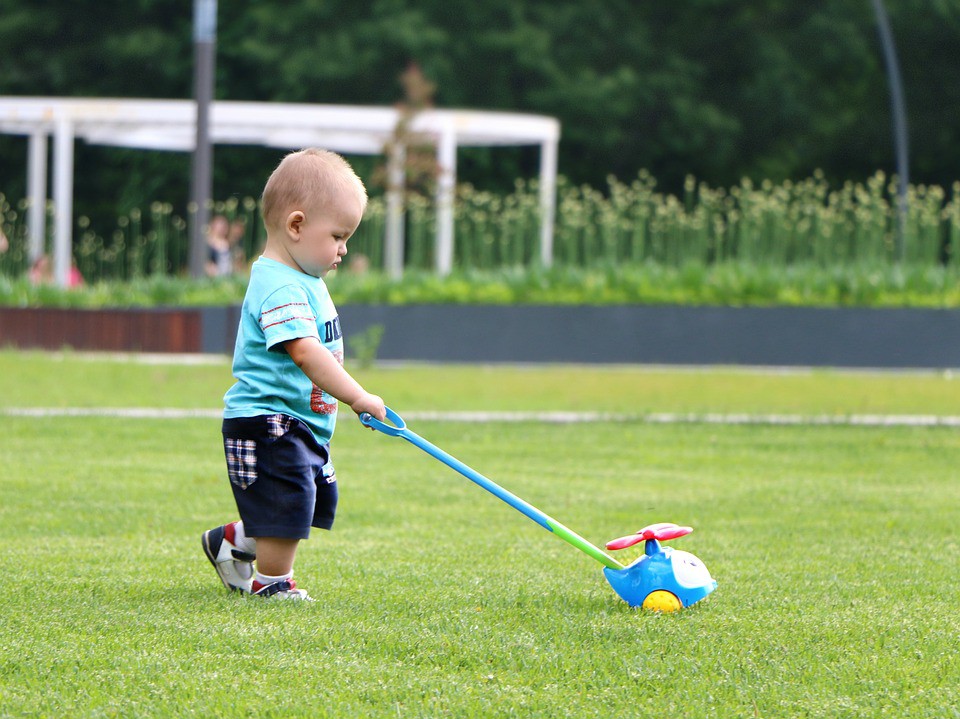
We have all come across that mom (or dad) – the overprotective, controlling parent whose child can’t do a thing for themselves – perhaps if we look at our own parenting habits a little closer, we may even admit to being that parent. In fact, there is even a term for that parent which made it into the dictionary in 2011 – the helicopter parent. “Helicopter parent” made its debut in the 1969 book, Parents & Teenagers by Dr. Haim Ginott, where teens spoke of their parents hovering over them like a helicopter. Helicopter parents are typically overfocused on their children, taking control of their successes, failures and responsibilities. This becomes a problem where parents try to ensure their children never experience disappointment or failure by removing obstacles, which in a healthy upbringing, contribute towards their learning and development.
What is a helicopter parent?
Helicopter parenting can apply at any age of a child’s development. At toddler age, parents overshadow the child, never allowing time alone or to do things for themselves. At primary school age, this could involve controlling which teacher’s class the child attends, being over-involved in homework projects and not allowing the child to complete them independently, or directing the outcomes of school processes. For high school or college aged children, parents override the child’s ability to take responsibility for their schedules and routines, or contact their lecturers regarding results where the teen is more than capable of handling the situation independently.
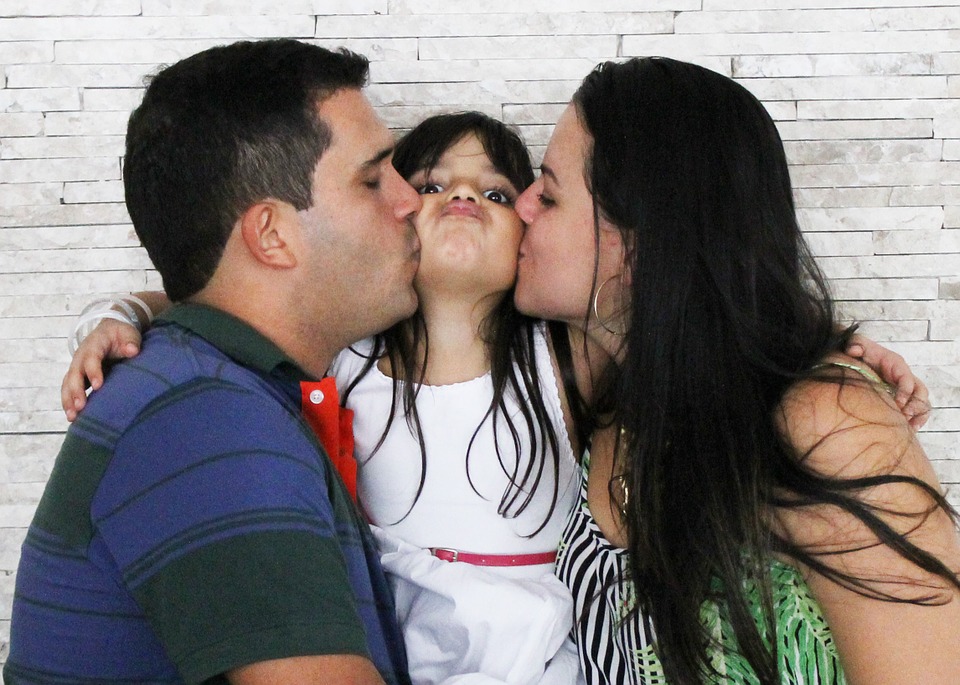
Why do parent’s hover?
Think back to your own childhood. For many of us we’d disappear for the afternoon, returning for dinner brimful of exciting tales from new experiences and worn out from adventure. Our parents would welcome us home to a hearty meal then send us off to clean up and get our homework done. Enter our current era where technology, the economy and social aspects have turned us into anxious, over-protective, and controlling parents.
- Fear of consequences
We worry that if we don’t protect them on the playground, they’ll fall and injure themselves, or if we don’t take control of their classes they won’t get the results needed to go to university or get a decent job. - Overcompensation
Perhaps we feel we didn’t achieve all we should have, and as a result we overcompensate in making sure our children succeed in everything they do. Perhaps our own parents weren’t involved in certain areas of our lives, so we overcompensate by being too involved in every aspect of our child’s lives. - Peer pressure from other parents
Keeping up with the Jones’ tends to relate to parenting as well. We see our neighbor shooting hoops with the kids every afternoon, or the mom across the road diligently pottering around in the garden with her toddler. We see our child’s classmates getting straight A’s because her dad tutors her maths and our nephew winning gold at the eistedford because our sister is strict about his daily rehearsal time. We take all of these scenarios onto our shoulders and micro-manage every aspect of our child’s development. - An abundance of parenting guides
With so much literature and how-to's on parenting available at the click of a mouse parents can feel that they need to up their game in raising their children, be more involved and aim towards being the perfect mom or dad. The online sphere is a hub of information where parents can interact and compare notes. As helpful and comforting as this may be, it can also increase pressure to take control.
What are the risks of helicopter parenting?
Studies have found that children with hovering parents were less likely to take part in spontaneous play and as such, missed out on opportunities for exercise and developing their gross and fine motor skills in a way that play does. Findings also indicate that children who displayed good judgement and self-control risked becoming anxious or depressed when parents provided too much assistance.
- Decreased confidence
When a parent is over-involved in their child’s activities it sends a message to the child that their parent doesn’t think they are capable. - Undeveloped coping and life skills
Parents need to remember they won’t always be able to take control of every situation, and at some point the child will need to know how to cope with an incident. For older children, if mom always ties her son's shoelaces, for example, he may end up in an embarrassing situation on the playground in front of his peers of the same age who are all able to tie their own. - Sense of entitlement
For a child whose parents have always fixed their problems or ensured minimal exposure to challenges, disappointments and hurts, they run the risk of becoming adolescents – and later, adults – who expect that the world owes them a favour.
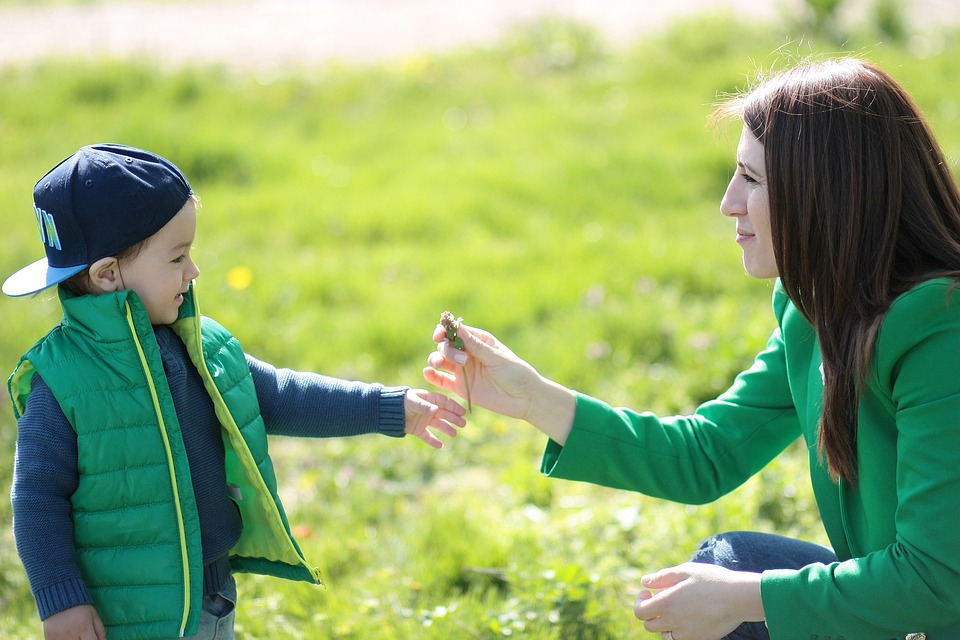
Some Tips to Give Up Your Helicopter License
- Rather than hovering, stay close by – in the beginning where you can see your child, but he can’t see you, so he learns not to run to you for every challenge.
- Learn what your child is doing for themselves at school that they aren’t doing at home. Carry this through at home and be consistent in encouraging independence.
- Make a chart of all the things your child can do for herself, and add to the list every time she masters something new. She’ll be proud of her accomplishments and less likely to ask for help when she could rather do it herself.
- Practice basic play skills with your child, like climbing up the ladder to the slide, using the monkey bars, or kicking a ball. It will ease your mind that your child is capable of doing these things and let you relax close by - confident he is ready to tackle them on his own.
Engaging with, rather than controlling a child builds self-confidence, provides opportunities for children to learn through challenges and failure, acquire coping skills and increase their feelings of being loved and accepted. Children need to experience the consequences of their actions, and parents need to celebrate their strengths while supporting their struggles.
Resources:


